

CASE STUDY: CASE STUDY - The Performance Matrix
Introduction to the Patient
Patient A, a 49-year-old desk-based worker, presented with ongoing neck and low back pain associated with prolonged sitting. Symptoms included stiffness, reduced movement, and poor sleep quality.
Investigations
Assessment focused on clinical examination and movement analysis using The Performance Matrix.
Why The Performance Matrix (TPM)
TPM was selected to objectively assess movement quality, identify key restrictions, and guide a structured, progressive rehabilitation program.
Subjective & Objective Key Findings
Subjective findings:
- Neck and low back stiffness
- Poor sleep quality
- Symptoms aggravated by prolonged sitting
Objective findings:
- Postural imbalances
- Reduced spinal mobility
- Tightness in upper trapezius, lumbar spine and right shoulder
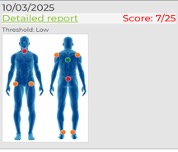
Initial TPM Assessment - Key Findings
Performance Matrix Score: 7/25
- Reduced movement coordination
- Limited shoulder and spinal mobility
- Compensatory movement patterns
Key Exercises Prescribed
Low Threshold:
- Oblique abdominals through range activation to control low back/pelvis rotation
- Gluteus maximus inner range hold to control low back/pelvis extension
- Semispinalis inner range hold to control neck rotation
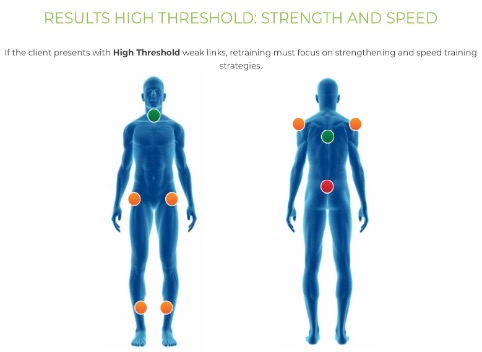
High Threshold:
- Oblique abdominals through range resistance to control low back/pelvis rotation
- Lower trapezius static resistance in neutral to control shoulder blade winging
- Gluteus maximus through range resistance to control low back/pelvis extension
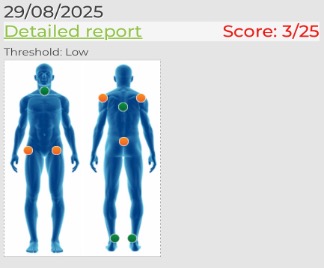
Reassement (12 weeks)
TPM score improved to 3/25
- Improved spinal mobility
- Reduced neck and low back symptoms
- Improved movement control
Progression of Program
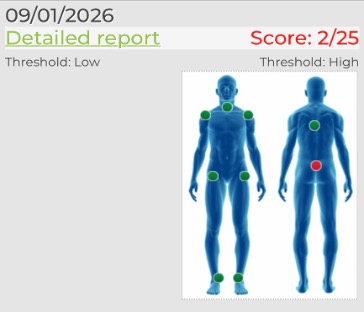
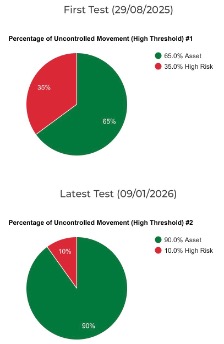
Progressed to Strength and Speed Matrix following improvement in coordination and movement quality.
Final TPM score: 2/25
Conclusion
This case demonstrates the effectiveness of combining manual therapy with structured movement rehabilitation using The Performance Matrix to achieve long-term improvements in paid, posture and function.
Patient Feedback:
"I’m very happy to share some feedback on my experience with the TPM programme.
I attended the clinic with ongoing back, shoulder, and neck pain and stiffness. After starting with sports massage, TPM was recommended and I completed several rounds, first non-fatiguing, followed by fatiguing exercises, all tailored to my assessments and adjusted as I progressed.
The structured approach and regular reassessments made a big difference. The exercises were clear, well explained, and progressively adapted, which gave me confidence throughout the process. I’m really pleased with the outcome, my pain and stiffness have resolved and I’ve now been discharged feeling strong and back to normal.
Thank you to the team at Wimbledon Physiotherapy Clinic for such a positive experience. I would happily recommend the TPM programme."
News & Advice
-

What Is the #1 Mistake That Makes Knee Pain Worse?
Knee pain often becomes long-term not because of the injury itself, but because of how it’s managed afterwards, either too much rest or pushing through pain—both of which can slow recovery and increase stiffness.
Read Post -

Shoulder Strength for Rowers: How to Prevent Upper Body Injuries and Improve Performance
Shoulder strength is often overlooked in rowing, but it plays a key role in performance and injury prevention. Without proper control and coordination, load shifts inefficiently, increasing the risk of shoulder pain and rib injuries.
Read Post -

Preventing Rib Injuries in Rowers: The Role of Core Strength and Thoracic Mobility
Rib pain in rowing rarely comes from one moment, it builds over time when load isn’t distributed properly. Improving core control and thoracic mobility is key to reducing stress on the ribs and staying pain-free on the water.
Read Post