

Case Study - From Ankle Fracture to Full Return to Football
The Injury
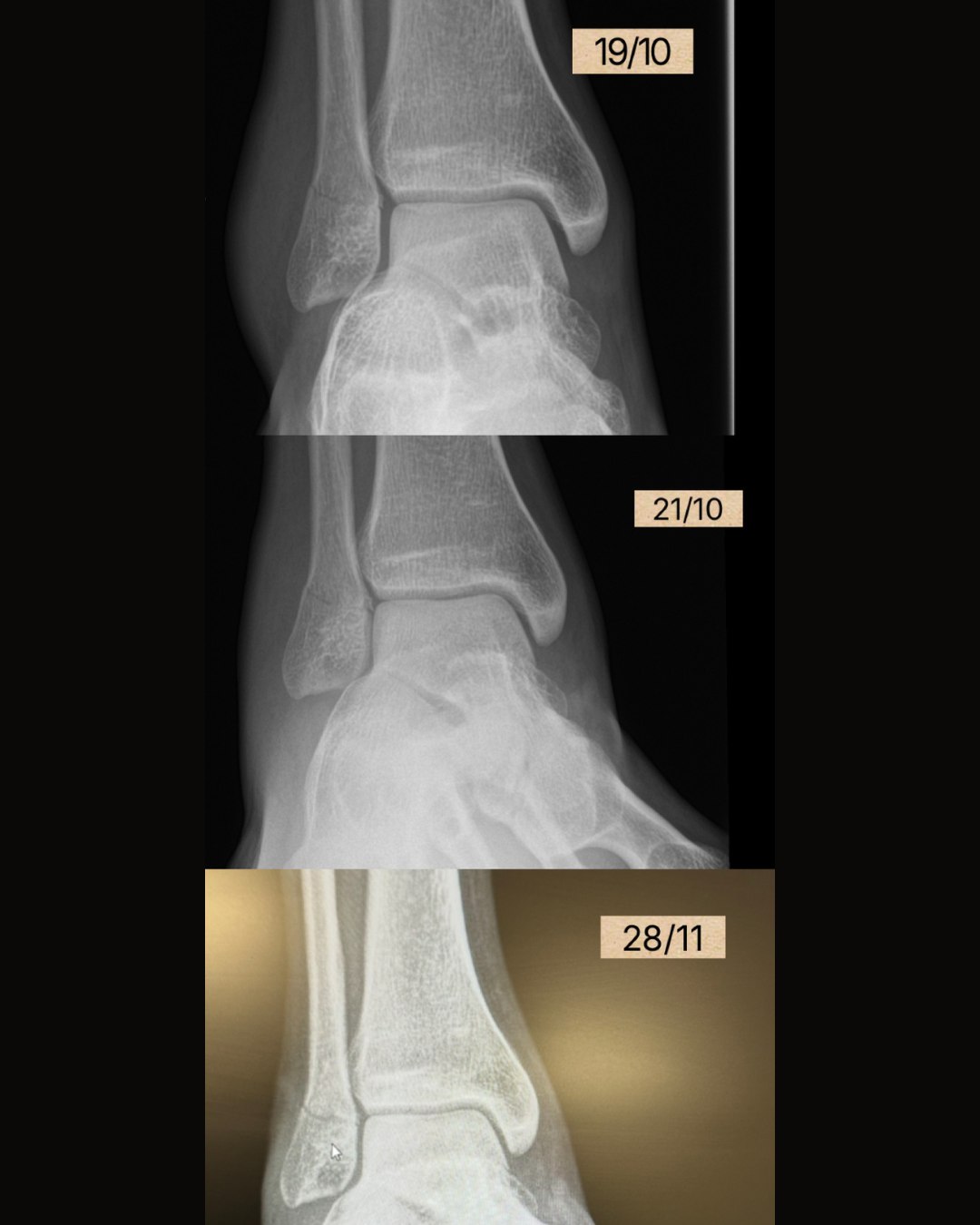
An amateur footballer presented with a right ankle fracture (Weber B distal fibula) following direct trauma during a match.
They were initially unable to weight bear, with significant swelling, pain, and stiffness. The injury was managed conservatively in a walking boot with partial weight bearing for 6 weeks.
Early Rehabilitation: Starting Sooner, Not Later
Instead of waiting for full healing, rehabilitation began early using hydrotherapy.
During this phase, the patient was able to:
- Begin walking movements in a reduced-load environment
- Maintain muscle activation and strength
- Keep up cardiovascular fitness
This early input helped prevent excessive stiffness and deconditioning a common issue after immobilisation.
Transition Out of the Boot
By 6 weeks:
- Swelling had reduced significantly (almost symmetrical)
- Pain was minimal
- Early walking at home had begun
However, despite these improvements: A noticeable limp remained
This is typical the body protects the injury even when pain is low, and normal movement needs to be retrained.
A follow-up scan confirmed good bone healing, and the orthopaedic consultant cleared the patient to:
- Come out of the boot
- Begin land-based rehabilitation
- Start cycling and swimming
- Progress toward straight-line running
Rebuilding Strength and Movement
Once on land, the focus shifted to:
- Restoring ankle mobility (especially dorsiflexion)
- Rebuilding calf strength
- Improving single-leg balance and control
Although progress was strong, stiffness remained a key limitation: Affecting walking mechanics and progression toward running
Return to Football… and a Setback
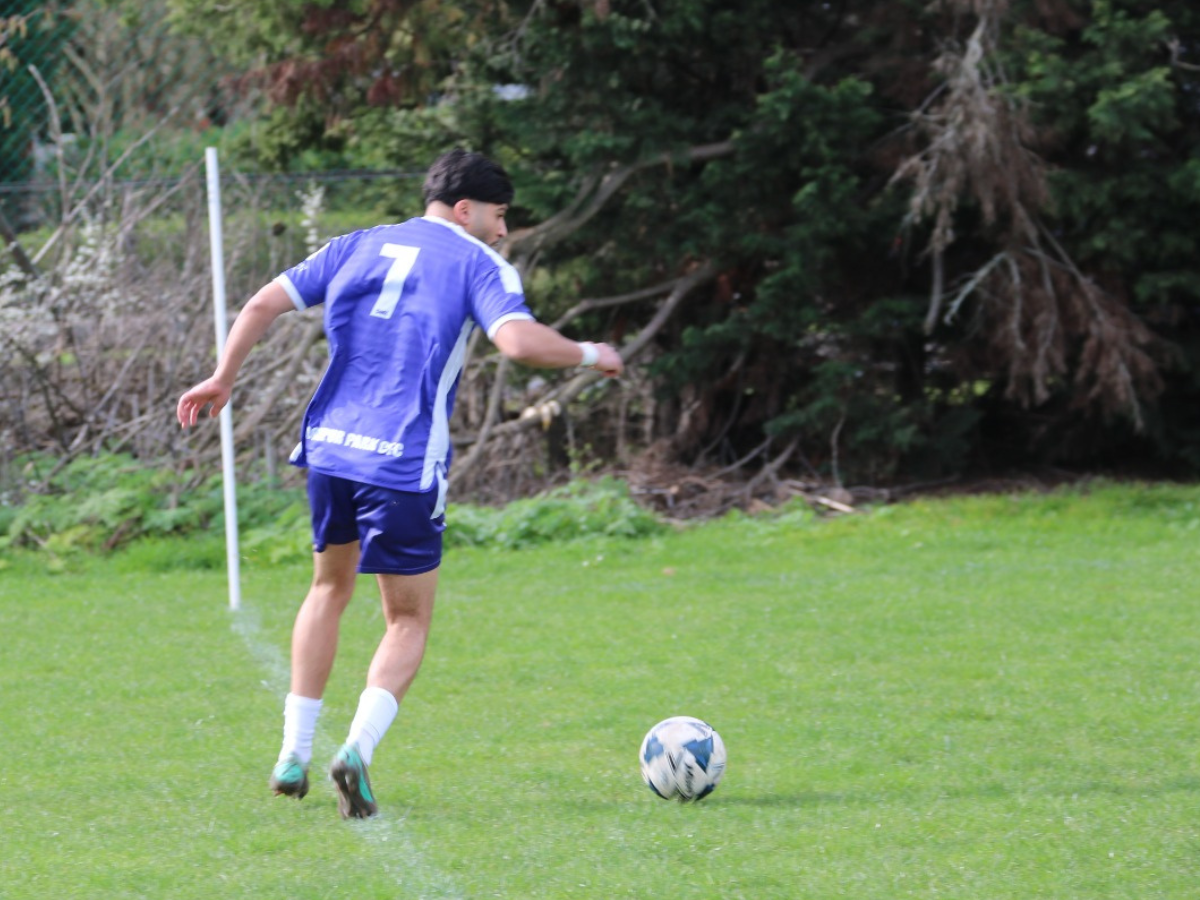
Around 4 months post-injury, the patient returned to football.
During a match, they sustained a minor ankle sprain following a direct impact.
Importantly:
- No major ligament damage
- No instability
- Strength largely preserved
This wasn’t a failure it highlighted a gap between rehab and real sport demands
Final Phase: From Rehab to Performance
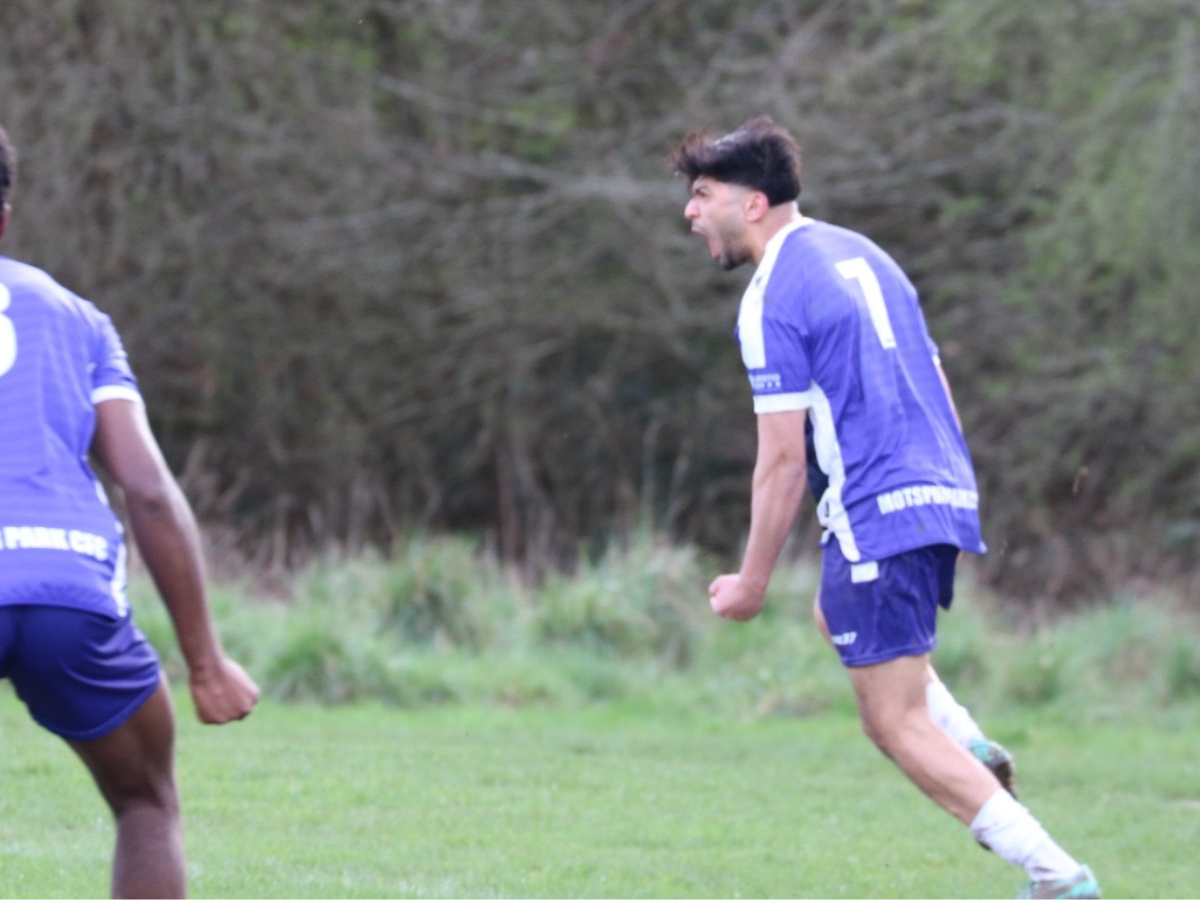
Rehabilitation then progressed into a performance phase, focusing on:
- Running and sprinting
- Plyometrics
- Football-specific drills
Key areas included:
- Single-leg strength and symmetry
- Foot and arch control
- Tolerance to repeated high-intensity efforts
Outcome
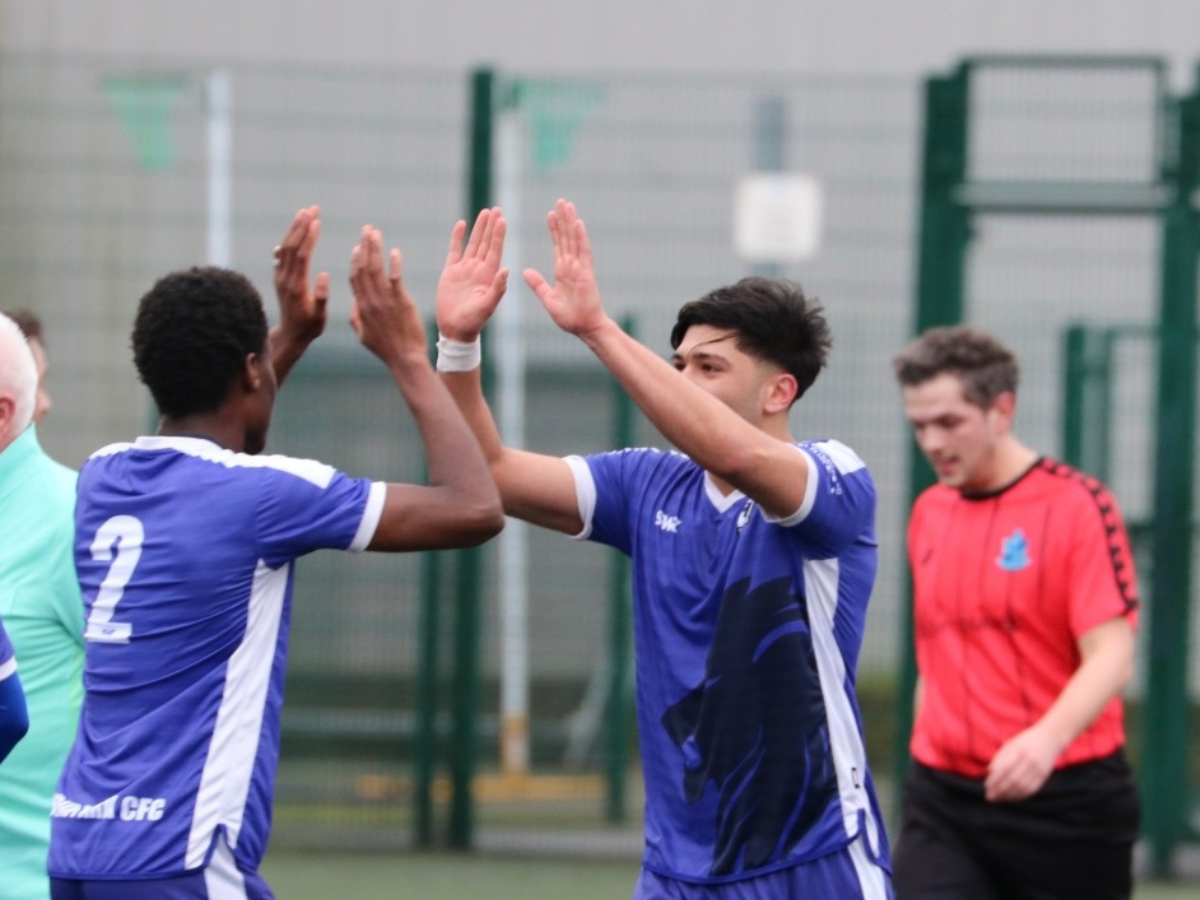
The patient successfully returned to:
- Full football training
- Sprinting and multidirectional play
- Match-level performance without pain
At discharge:
- Strength and mobility were near symmetrical
- No swelling or instability remained
- Only minimal “awareness” at high loads
Key Takeaways
- Early movement matters -starting rehab sooner helps prevent stiffness
- Bone healing is only one part of recovery-strength and control take longer
- Setbacks are common and often relate to load, not damage
- True rehab prepares you for sport, not just daily life
How We Help
At Wimbledon Physiotherapy, we guide you through every stage:
- Early recovery (including hydrotherapy)
- Strength and movement restoration
- Return-to-sport performance
So you don’t just recover…You come back stronger, faster, and more resilient.